
US airstrikes hit a vital railway link connecting China and Iran, but what isn’t being reported is that it is still open and shipping more goods than ever before.
While the entire world is completely focused on the Hormuz Strait, few seem to know anything about the direct connection between China and Iran via rail. One of the reasons people know so little is because the mainstream media has very little to say about it.

The Ogtay Khan bridge was hit last month as the first strike against the train link between China and Iran. The hit was a strategic point on a five nation corridor connecting Iran to China. BTJ missionaries work along the ancient Silk Road of China and understand the importance of the ancient route for carrying people and goods. The railway opened last year to very little fanfare and cut the amount of time for shipping goods by sea in half – from 30 days to 15. BTJ shared about it as the first train arrived in Iran with people and goods.
Recently, we asked if anyone could answer why the trains were still running during the war even though sanctions had been imposed on the waterways. No one could answer the question.
After six months into the war, the US finally attacked the railway, but photos from the strike indicate that the damage did not seem to be extensive or permanent.
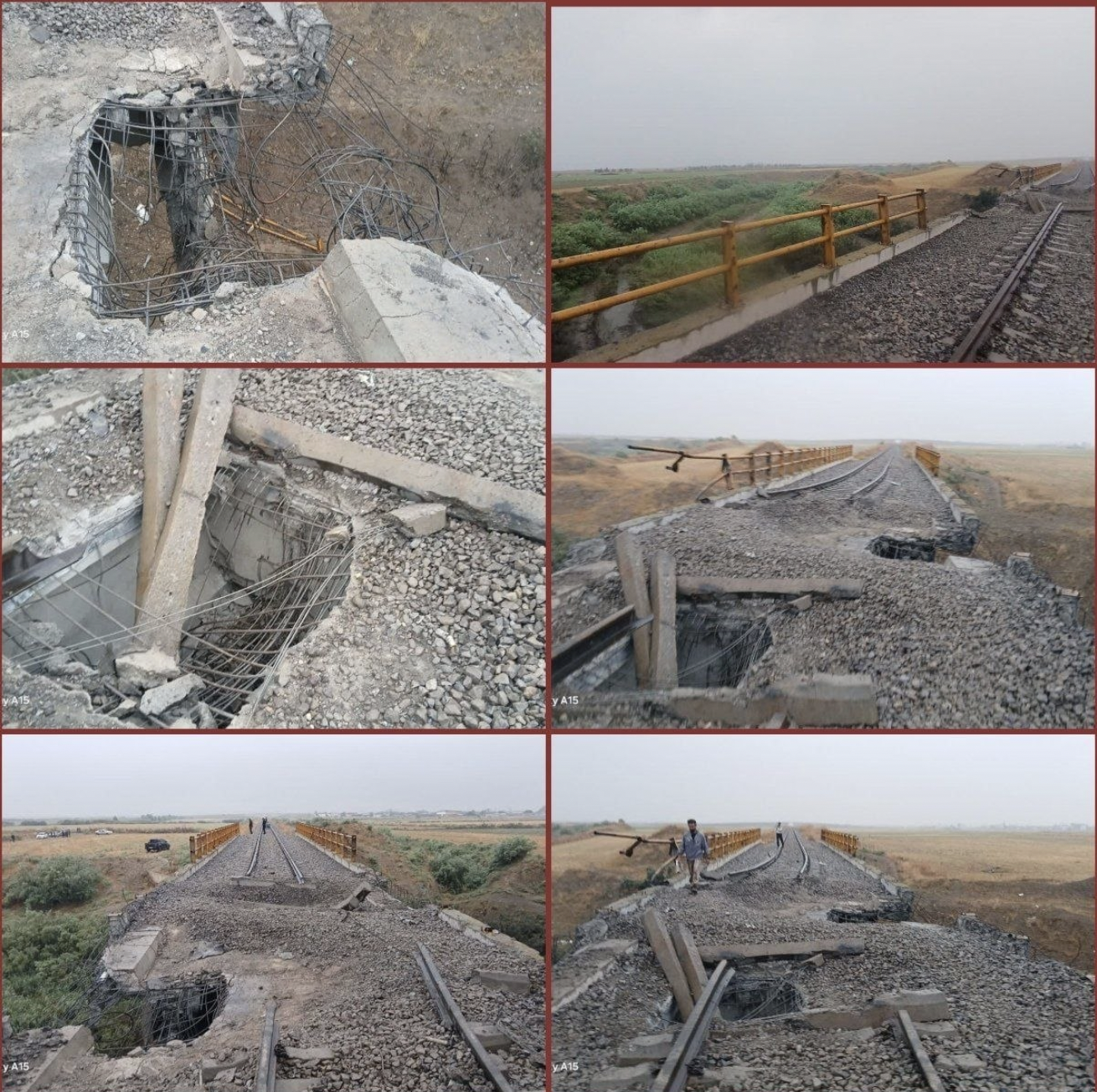
In fact, the trains are not only running again, but are carrying more cargo than ever before. There are even Iranian transport companies reporting an increase in cargo.
This week, BTJ took a group of supporters to a Central Asian nation along the Silk Road to meet with Chinese missionaries working in the area and it was reported that cargo trains between Chin and Iran have increased from 1 per week in 2025 to as many as 4 per day in August of 2026!
China is Iran’s largest trading partner and trade is not decreasing between the two nations during the war. Because of the rail system, it seems to be increasing.
BTJ is working directly with underground house churches on the ground in Iran and continues to support their efforts during the war.
